Avery Becker · 27 September 2026
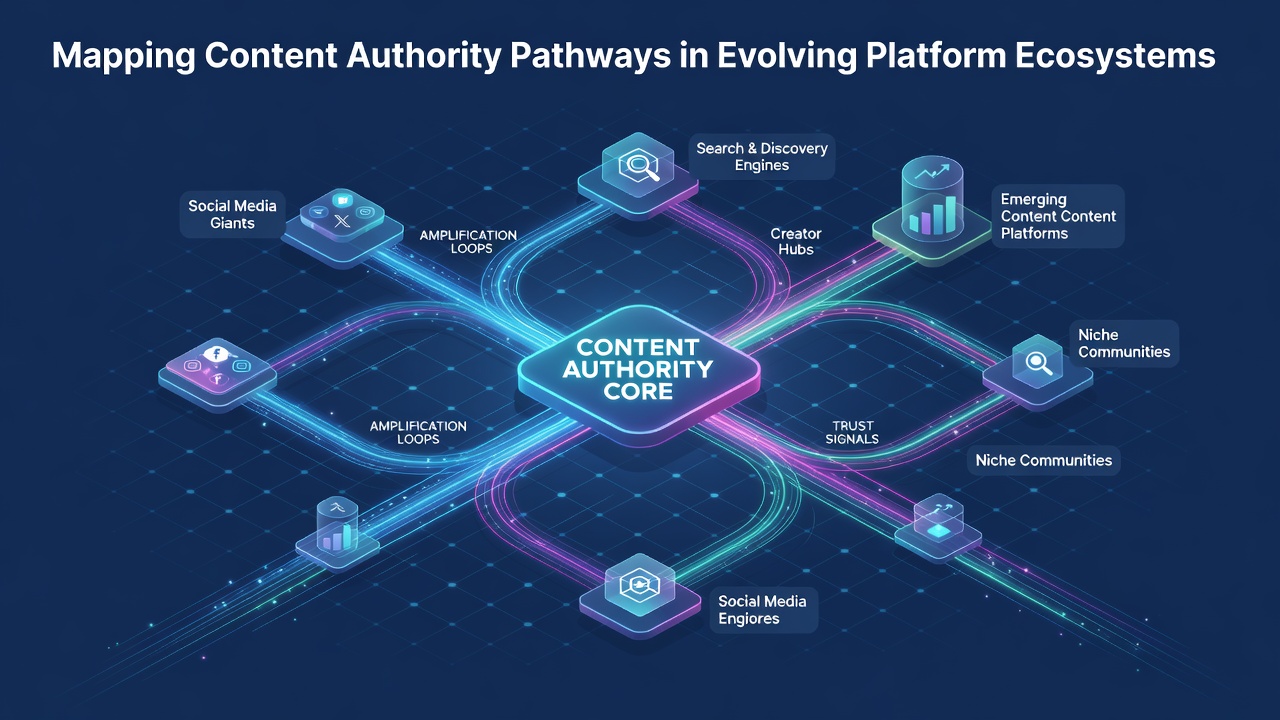
Mapping Content Authority Pathways in Evolving Platform Ecosystems
Platform ecosystems continue to shift as new algorithms and user behaviors reshape how content gains visibility and trust, and observers note that mapping content authority pathways requires tracking signals across search engines, social networks, and emerging distribution channels. Researchers have documented these pathways through longitudinal studies that examine backlink profiles, engagement metrics, and cross-platform citations, while data from multiple regions shows consistent patterns in how authority accumulates over time. According to reports from the European Commission on digital single market dynamics, regulatory changes in data portability have influenced how platforms share user signals, which in turn affects authority propagation between services.
Core Components of Authority Mapping
Experts identify several measurable elements when charting these pathways, including domain-level trust indicators, content freshness signals, and entity recognition patterns that search systems use to assign weight. Studies from academic institutions such as those published through the MIT Center for Digital Business reveal that authority often flows through clusters of related sites rather than isolated pages, and this clustering becomes more pronounced as platforms introduce new recommendation layers. One analysis of large-scale web graphs demonstrated that pathways strengthen when content receives consistent references from high-trust domains, yet these same pathways weaken when platforms alter crawl priorities or de-index certain content types.
Tools for mapping include graph databases that visualize connections between domains and citation networks, along with API integrations that pull real-time engagement data from major platforms. Those who have examined evolving ecosystems find that combining crawl data with social graph metrics produces more accurate representations of authority flow than relying on any single source alone. In practice, teams often layer multiple datasets to reveal hidden pathways that surface only after infrastructure changes occur across several services simultaneously.
Adaptations Following Platform Updates
Platform operators rolled out significant ranking adjustments throughout 2025, and these modifications prompted researchers to re-evaluate established authority models. Data indicates that content which previously derived authority primarily from inbound links now gains additional weight from sustained user interaction sequences tracked across sessions. The European Commission's ongoing monitoring of digital market actors has highlighted how interoperability requirements may further alter these dynamics by enabling users to move their data and histories between services more freely.
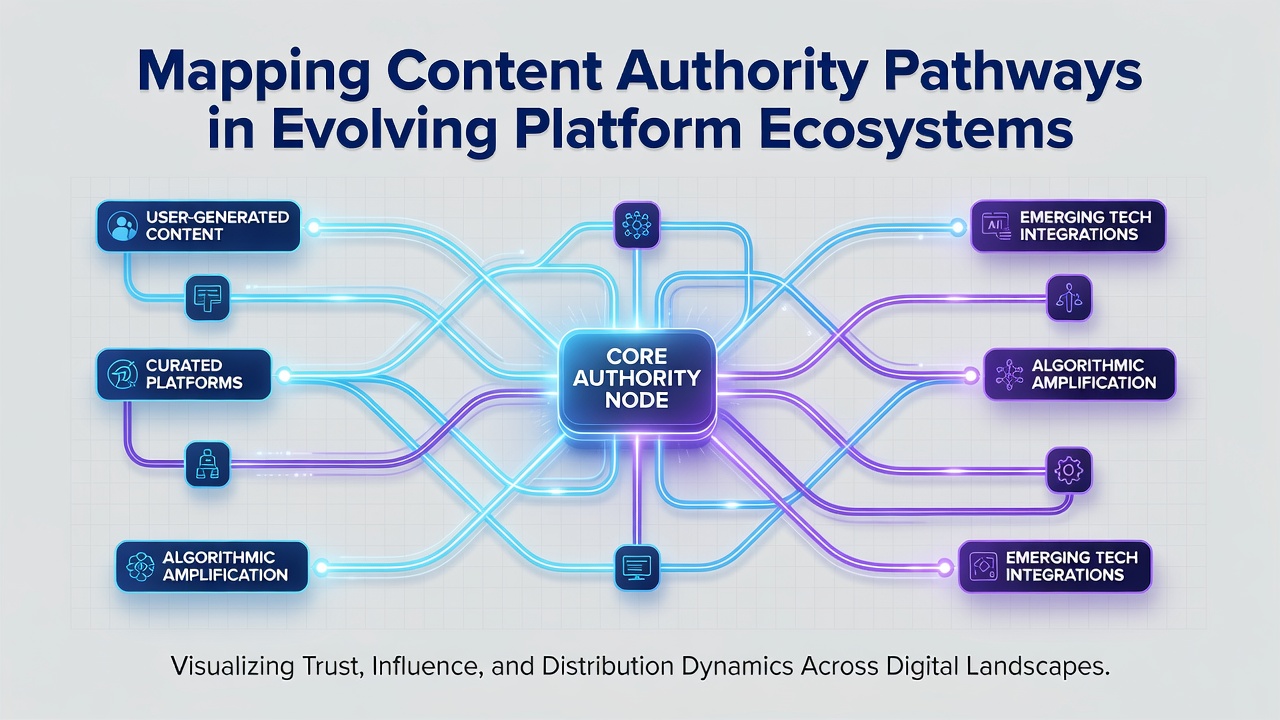
September 2026 is scheduled to bring additional changes to several major platforms as they align with new compliance frameworks, and observers expect these shifts to create fresh pathways while closing others that relied on older signal combinations. Figures from industry tracking services show that sites maintaining diversified authority sources across multiple ecosystems tend to retain visibility longer during transition periods. Researchers continue to document how entity-based authority, where content is linked to verified organizations or individuals, provides a buffer against sudden algorithm adjustments.
Practical Approaches in Current Ecosystems
Organizations mapping these pathways often begin by auditing existing citation networks and then simulate potential disruptions using historical update data. Evidence suggests that pathways involving video platforms and short-form content services have grown more influential since 2024, while traditional blog-to-blog linking has become one component among many. Reports from the Australian Competition and Consumer Commission on digital platform services note that transparency measures around recommendation systems are increasing the availability of data that helps trace authority routes more precisely.
Case examples include publishers who tracked how authority transferred after a major video platform updated its recommendation engine, resulting in measurable lifts for content that aligned with emerging topic clusters. Those examining such cases observe that successful mappings incorporate both quantitative signal strength and qualitative assessments of platform policy changes. The process requires ongoing monitoring because pathways do not remain static once established.
Conclusion
Mapping content authority pathways in evolving platform ecosystems demands continuous data integration and awareness of regulatory and technical shifts across regions. Available evidence from government agencies and research institutions demonstrates that diversified signal sources and entity verification strengthen these pathways against future disruptions. As platforms prepare for the adjustments planned around September 2026, systematic mapping approaches provide the clearest view of how authority moves through interconnected digital environments.